1) You’ve had a fall (or worried about one)
You don't need to wait until you fall to address fall risk. Maybe you're reaching for walls or furniture (we call it furniture walking). Maybe you avoid certain places or stairs. Or maybe nighttime bathroom trips make you nervous. These changes matter. A home OT eval can look at both your individual abilities and the environmental factors affecting safety.
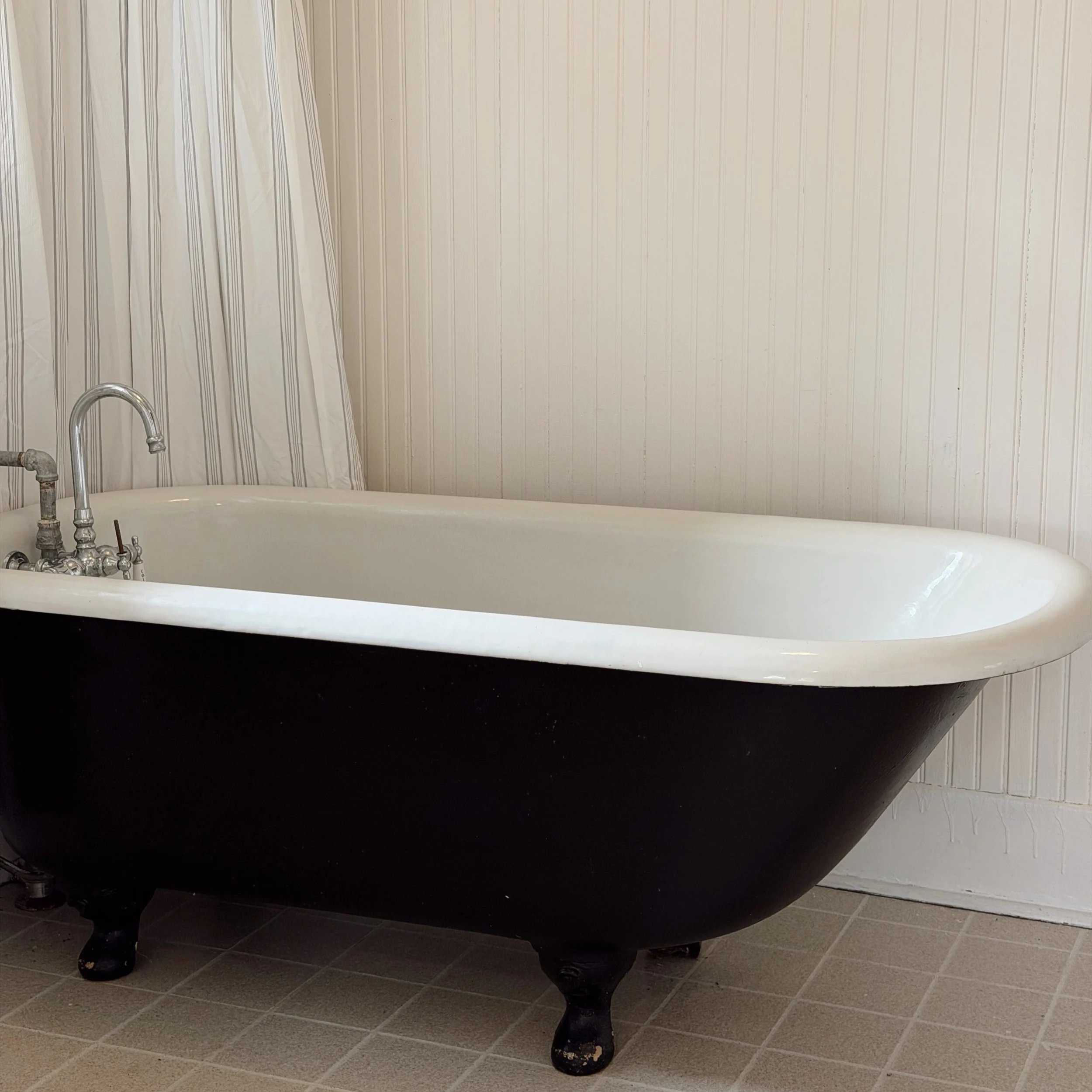
2) Bathing or showering doesnt feel as safe as it used to
The bathroom is one of the most important areas to assess balance several demands come together at ones: transfers, balance, reaching, bending, wet surfaces, confined spaces, and sometimes dizziness or fatigue. An OT can assess how you're currently completing the activity and whether equipment, environmental modifications, positioning, or different strategies could make it safer.
3) You're still independent, but everything takes more effort
This one is easy to overlook. Independence isn't simply, "can you do it?"
We also care about:
"How are you doing it?"
"Is it safe?"
"How much energy does it require?"
"Are you compensating in ways that could create another problem?"
"Are you exhausted afterwards?"
Trust me, but you do not necessarily have to lose independence before OT comes relevant. <3

4) You've Started Avoiding parts of your home
Pay attention to the rooms or activities you've quietly stopped using. Maybe you no longer go downstairs, you avoid the bathtub, you stopped cooking complicated meals, you don't carry laundry anymore, or you avoid getting something from a high cabinet.
Avoidance can sometimes be an early indicator that the environment or activity no longer matches your current abilities.
5) Memory or organization problems
Home safety isn't just physical. An occupational therapist may also evaluate how cognition affects everyday function. Examples might include:
Forgetting medications
Leaving appliances on
Difficulty following familiar routines
Becoming overwhelmed by multi-step tasks
Trouble organizing the day
Difficulty managing household responsibilities
Reduced safety awareness
Difficulty adapting when something unexpected happens
The important question is not simply “Is my memory perfect?” It is: “Are these changes affecting my ability to safely and independently manage my everyday life?”
6) You're Coming Home After a Hospitalization, Surgery, Illness, or Injury
The transition home can reveal challenges that weren't obvious in a medical setting. Your home has your stairs. Your bathroom. Your bed. Your kitchen. Your routines. Your responsibilities. It's real life. An OT evaluation can identify the gap between what someone is physically capable of doing and what their actual environment requires them to do.

7) A Family Member Is Becoming Concerned
Family members often notice changes before the individual does.
You might hear:
“I'm nervous about you being home alone.”
“I don't think you should be getting into that shower by yourself.”
“You seem to be forgetting things more often.”
“I'm worried about those stairs.”
Those concerns don't automatically mean someone needs to give up their independence. In fact, OT often works toward the opposite goal: How can we support as much safe independence as possible?

8) You Want to Stay in Your Home as You Age
You don't need to currently have a major problem to think proactively about your home. If your goal is to remain in your home long-term, an occupational therapist can identify potential barriers before they become urgent.
That may include looking at:
Entryways
Stairs
Bathrooms
Bedrooms
Lighting
Flooring
Furniture placement
Frequently used items
Transfers
Mobility pathways
Daily routines
The goal isn't to turn your home into a hospital. It's to help your home continue working for you.
We offer free consultations! Booking one is easy, just give us a call or text and we will get to you within 24 hours!