
The Balancing Act

Why Repetition Matters in Neurological Rehabilitation - Equation to neuroplasticity = reps + consistency + meaningful activity
After a neurological injury, the brain must adapt. Neuroplasticity is the brain’s ability to rewire its pathways by forming new neural connections. The nervous system can reorganize and create new pathways to support movement and function needed for independence in everyday activities. In rehabilitation, neuroplasticity can help a patient relearn skills and recover following an injury. This process does not just happen overnight; the brain needs practice and a lot it, just like learning to ride a bike.
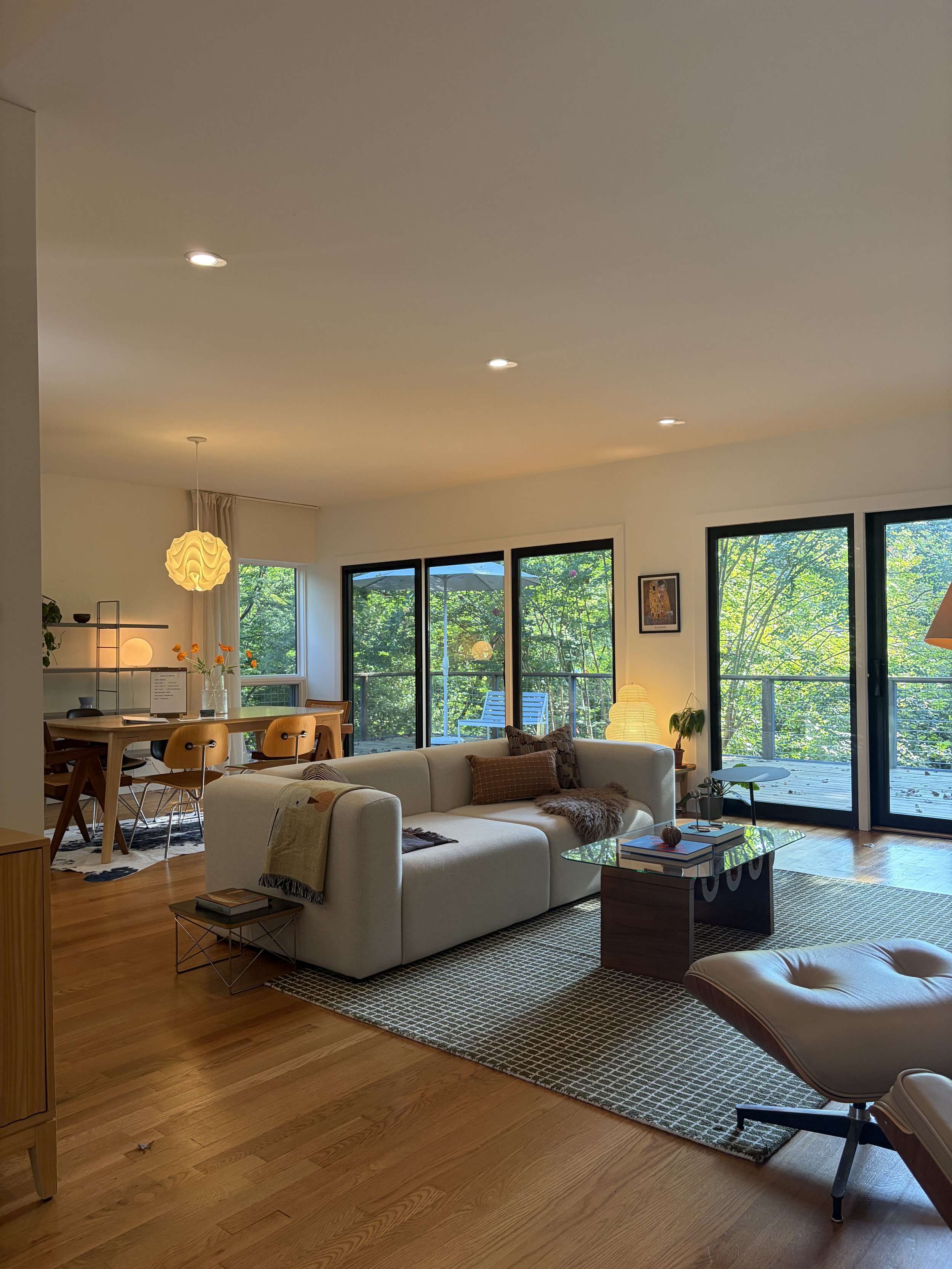
5 Simple Home Modifications That Can Prevent Falls
F A L L, the four-letter F word that we truly despise as occupational therapist. Falls rarely happen for just one reason; there is usually a combination of factors. Falls can occur from muscle weakness, balance deficits, medication side effects, vision impairments, and what can most commonly avoidable, environmental hazards.

My Favorite Occupation: Motherhood
I felt extreme mom guilt when I had to go back to work. I felt like I should be the one raising my daughter. A friend of mine told me something that really stuck with me. She told me I was a great mother for continuing to work and provide for my daughter, because that’s what a mother does! I never thought of it like that. So, I really had to change my routine as a mom if I wanted to maintain my current lifestyle. Now, on top of caring for a whole new tiny human, I had to work 40 hours per week, exercise and eat clean to stay healthy, clean my house, do the dishes, do laundry, care for my 2 dogs, maintain a social life, and make sure to ALWAYS get 8+hours of sleep... HA.

8 Signs it May Be Time for Your Home OT Eval
The transition home can reveal challenges that weren't obvious in a medical setting. Your home has your stairs. Your bathroom. Your bed. Your kitchen. Your routines. Your responsibilities. It's real life. An OT evaluation can identify the gap between what someone is physically capable of doing and what their actual environment requires them to do.

Honest Chat with Caterina
Becoming a mother has completely changed the way I look at my career. My family has become my first priority, and I’ve realized that having a fulfilling career doesn’t have to mean sacrificing the moments that matter most at home. For me, being a present mom means being there to comfort my daughter, celebrate her milestones, and experience all of the little moments that make this season of life so special. Everyone tells you how quickly it goes, but you don’t truly understand what they mean until you have a child of your own and suddenly realize just how fast they are growing. Having the flexibility to create a schedule that works for my family has allowed me to be both a mom and a working professional in a way that feels sustainable and fulfilling.
Why Home is the Best Place for Occupational Therapy: My Experience
Working in client’s homes is truly an intimate experience. This is their personal space, a space that means the most to them; and they are allowing us into their home to help guide them through recovery. I promise, I do not care if you think your house is “a mess.” Your home is perfect and I am just grateful to be there working with you. Don’t worry, one of our sessions can be working on cleaning!
This is why you should attend our brain injury support group
For many survivors and families, one of the hardest parts begins after discharge from the hospital or rehab. The appointments become less frequent, the routine changes, and suddenly you’re navigating a life that looks very different than it did before. While medical care is essential, I found there was something many people were still missing: community and support. That realization didn’t begin when I started Balanced Living. It began years earlier.

From Travel Therapist to Home: The Journey That Shaped My OT Career
Travel: Weekend trips, annual trips to the beach, or a day trip to a new city. A combination of eating good food, sight-seeing, relaxing somewhere other than home, and spending quality time with the person I’m traveling with. When I considered travel therapy as a career, it scared me at first - the unknown, the unfamiliar. '
What Inspired Me to Become an OT
With all these career options, the idea of being an Occupational Therapist didn’t even cross my mind, mostly because I had never heard of it. I remember applying for colleges being so anxious to choose what path I was going to take. My high school counselor had told me one day she thought I would be really good at OT.
Understanding Neuroplasticity: How the Brain Learns, Adapts, and Heals
There’s a common misconception in healthcare that the brain “stops healing” after a certain amount of time. Many individuals are told that recovery has plateaued after a stroke, concussion, neurological diagnosis, vestibular disorder, or hospitalization. Families often leave medical appointments believing that progress is no longer possible. In reality, the nervous system is far more adaptable than most people realize.

A Family-Friendly Explanation of OT and How It Helps
One of the defining characteristics of occupational therapy is that interventions are rooted in real-world function. Occupational therapists evaluate how physical, cognitive, sensory, emotional, and environmental factors affect daily participation. Importantly, occupational therapy services also acknowledge the emotional impact of losing independence or confidence. Functional challenges affect far more than physical ability alone. They effect routines, identity, relationships, and participation in community life.

Why Progress Feels So Slow (Even When You’re Doing Everything Right)
Progress in healing is deeply misunderstood because we expect it to behave like everything else in our lives. We’re taught that if we put in effort, we should see results that are clear, measurable, and relatively quick. So when you’re doing the work and showing up, and you don’t feel dramatically different, it creates a quiet but persistent frustration.
You Can’t Heal in Survival Mode (mental + physical)
There’s a fundamental truth to be discussed: You can be functioning, productive, and even outwardly “doing well,” while your body is still operating as if it’s under threat. And when that’s the case, healing will always feel limited, no matter how much effort you put in. Because survival mode is not something you think your way out of. It’s something your body has to feel its way out of.
The Truth About Balanced Living Academy
BLA was built on years of experience, detailed daily notes on my journey through school, my experience with working in the traditional healthcare system and building my own private practice. I built Balanced Living Academy through the lens of an occupational therapist, looking at the whole person, not just the goal. Your habits, your environment, your goals, your capacity, your season of life, all of it matters.
You’re Not Alone: A Brain Injury Group that Heals
There is a common misconception in healthcare that insurance automatically equals access and that anything outside of it is a limitation. But in many cases, especially in highly individualized services like occupational therapy, the opposite can be true.
Why Balanced Living Is Private Pay First
There is a common misconception in healthcare that insurance automatically equals access and that anything outside of it is a limitation. But in many cases, especially in highly individualized services like occupational therapy, the opposite can be true.

The Most Underrated Predictor of Recovery
When people think about recovery whether it’s from injury, illness, burnout, or a major life transition, they tend to focus on what feels most tangible: the diagnosis, the treatment plan, the clinician, the exercises, the timeline. These elements matter, of course, and they often form the foundation of care.

Beyond Treatment: Building a Community-Centered Practice
We were built on a simple, but often overlooked truth: people do not thrive in isolation. Before BL was a business, it was a realization. In traditional healthcare settings, I saw how often care was delivered in fragments, often sessions that ended, plans that only lived on paper, and souls with their families left to navigate the rest on their own. Even with the best clinical intentions, something was missing.
The Hospital-to-Home Gap
If you want to know the real reason why so many people fall through the tracks after discharge, here it is. Leaving the hospital is supposed to be the moment things start getting better. The medical crisis passed. The surgery is finished. It is human nature to think, “Okay we’re home, now recovery begins.”