Transforming challenges to independence.
Occupational Therapy That Comes To You
Personalized & meaningful client-centered services to help restore quality of life and safety.

What We Do
Explore our wide range of services offered to you.
Testimonials
-
Pillar Of Emotional Support
"I am incredibly grateful to Jaycee Volkmann for the exceptional care and support provided to me during my recovery following a stroke. From the very beginning, Jaycee demonstrated not only outstanding clinical expertise but also an unwavering sense of compassion and encouragement that truly made a difference in my healing journey. Beyond occupational therapy, Jaycee was a pillar of emotional support in my greatest time of need. Her patience, kindness, and ability to inspire hope helped me navigate one of the most challenging seasons of my life. Jaycee saw me as a person, valued my progress, and motivated me to keep going even when the road felt overwhelming. I wholeheartedly recommend Jaycee to anyone in need of dedicated and compassionate occupational therapy. Her skill, professionalism, and genuine care left a lasting impact on my life, and I will always be grateful for her role in my recovery."
Rev. Victor E. Covington "PC"Senior Pastor
Albany, New York
-
Compassion, Care and Dedication
"Life-Changing Occupational Therapy Experience! Words cannot express the gratitude I have for Jaycee and the incredible care she provided for my mom. After facing what felt like an impossible road to recovery, her expertise, patience, and unwavering support helped my mom achieve an unbelievable rehab journey. She tailored every session to her needs, motivated her through every challenge, and truly went above and beyond to ensure she regained her independence. Thanks to Jaycee, my mom not only recovered but thrived. Jaycee’s dedication and compassionate approach made all the difference. I wholeheartedly recommend her to anyone in need of exceptional occupational therapy!"
Sofia Fallas
Millburn, New Jersey
-
Takes The Time To Listen
“It's hard to put into words how grateful I am for Jaycee of Balanced Living OT! I have been struggling with debilitating vertigo, and I was at my wits end. I was unable to get care without waiting months, and I was not sure what to do. Until I came across the Balanced Living website, I knew I was in the right place. Jaycee took the time to listen to my symptoms, provide a detailed educational overview, as well as a comprehensive assessment. Not only did I walk away feel better but she provided me with a care plan and next steps! I cannot say enough good things about my experience and how thoughtful and attentive Jaycee was from start to finish! It is rare to find someone in the healthcare space that truly cares about their patients, Jaycee is one of those people! I will be recommending Jaycee and Balanced Living OT to all my family & friends!”
Bridget Fitzgerald
Halfmoon, NY
-
Engaging, Effective and Fun
"After experiencing a major stroke, I was unsure how much independence I would regain. Thanks to Jaycee, my progress has exceeded all expectations. Her expertise, patience, and encouragement have played a crucial role in my recovery. From regaining fine motor skills to improving daily living activities, she tailored every session to my specific needs. She pushed me when I needed motivation and provided unwavering support throughout my journey. Her innovative techniques and hands-on approach made therapy engaging, effective, and very fun at times (during our dancing sessions). I highly recommend Jaycee to anyone recovering from a stroke. Her dedication and compassionate care have truly made a difference in my life. Thank you for helping me regain my confidence and independence!"
Zaray Esquivel Molina
Costa Rica
-
Independence Boost
I've had the pleasure of knowing Jaycee for a few years now initially as a colleague at Albany Medical Center and more recently as a patient. I was experiencing some subtle balance issues I wasn't quite ready to dismiss as "old age" (I'm soon to be 67). Jaycee is incredibly supportive, professional and thorough (as I knew she would be). She identified my issue and prescribed exercises for me to do independently. The symptoms have resolved so I feel better, safer and plan to continue to perform the exercises intermittently to keep it in check . I was extremely pleased with her care and follow up and will definitely reach out to her again should the need present.
Laura K.
Albany, New York
-
Same Day, Problem Solving Care
Called due to an issue with vertigo and the therapist came to my house the same day. She made an evaluation through some tests and corrected the problem I was experiencing. all around an excellent experience.
Eric B.
Hudson, New York
-
Understanding From The Start
“I have loved working with her. If you are suffering from vertigo or dizziness I highly recommend you contact Jaycee. She is such a great person and so caring and understanding. “Stephanie Volkmann
Averill Park, NY
-
Knowledgeable and Patient
I contacted Jaycee to help with my vestibular neuritis. She responded back to me quickly and was able to begin my therapy right away. Jaycee and her team were very knowledgeable and patient, and helped me through one of the most difficult times of my life. After a couple weeks of therapy, I felt more like myself, and was able to go back to work sooner than expected. I highly recommend this practice! Thank you Jaycee and Balanced Living for all your expertise and support!
Marisa H.
Clifton Park, NY
-
Completely Transformed
Jaycee was highly recommended to us by several folks for outpatient therapy at the time of my hospital discharge. Over the course of few weeks, she completely helped transform me to becoming fully independent and even able to resume travel for business. It has been one of the best experiences I have had with OT/PT resulting in my recovery. Jaycee also supported my wife throughout this journey as an emotional pillar and I will be forever grateful to her for her kind, patient and insightful advice. She is very knowledgeable and gave me very practical exercises and guidance, that I follow everyday.
Rahul, A.
Latham, NY
The Balancing Act Blog
Discover a world where wellness meets expertise. Weekly blog posts that feature insights into holistic wellness, the latest in occupational therapy, proven techniques, and guided solutions for enhancing your quality of life. From managing dizziness and vertigo to exploring innovative therapies and lifestyle tips, we provide the knowledge you need to restore balance and thrive. Join us on a journey toward better health and well-being, one mindful step at a time.
For many survivors and families, one of the hardest parts begins after discharge from the hospital or rehab. The appointments become less frequent, the routine changes, and suddenly you’re navigating a life that looks very different than it did before. While medical care is essential, I found there was something many people were still missing: community and support. That realization didn’t begin when I started Balanced Living. It began years earlier.
Travel: Weekend trips, annual trips to the beach, or a day trip to a new city. A combination of eating good food, sight-seeing, relaxing somewhere other than home, and spending quality time with the person I’m traveling with. When I considered travel therapy as a career, it scared me at first - the unknown, the unfamiliar. '
With all these career options, the idea of being an Occupational Therapist didn’t even cross my mind, mostly because I had never heard of it. I remember applying for colleges being so anxious to choose what path I was going to take. My high school counselor had told me one day she thought I would be really good at OT.
There’s a common misconception in healthcare that the brain “stops healing” after a certain amount of time. Many individuals are told that recovery has plateaued after a stroke, concussion, neurological diagnosis, vestibular disorder, or hospitalization. Families often leave medical appointments believing that progress is no longer possible. In reality, the nervous system is far more adaptable than most people realize.
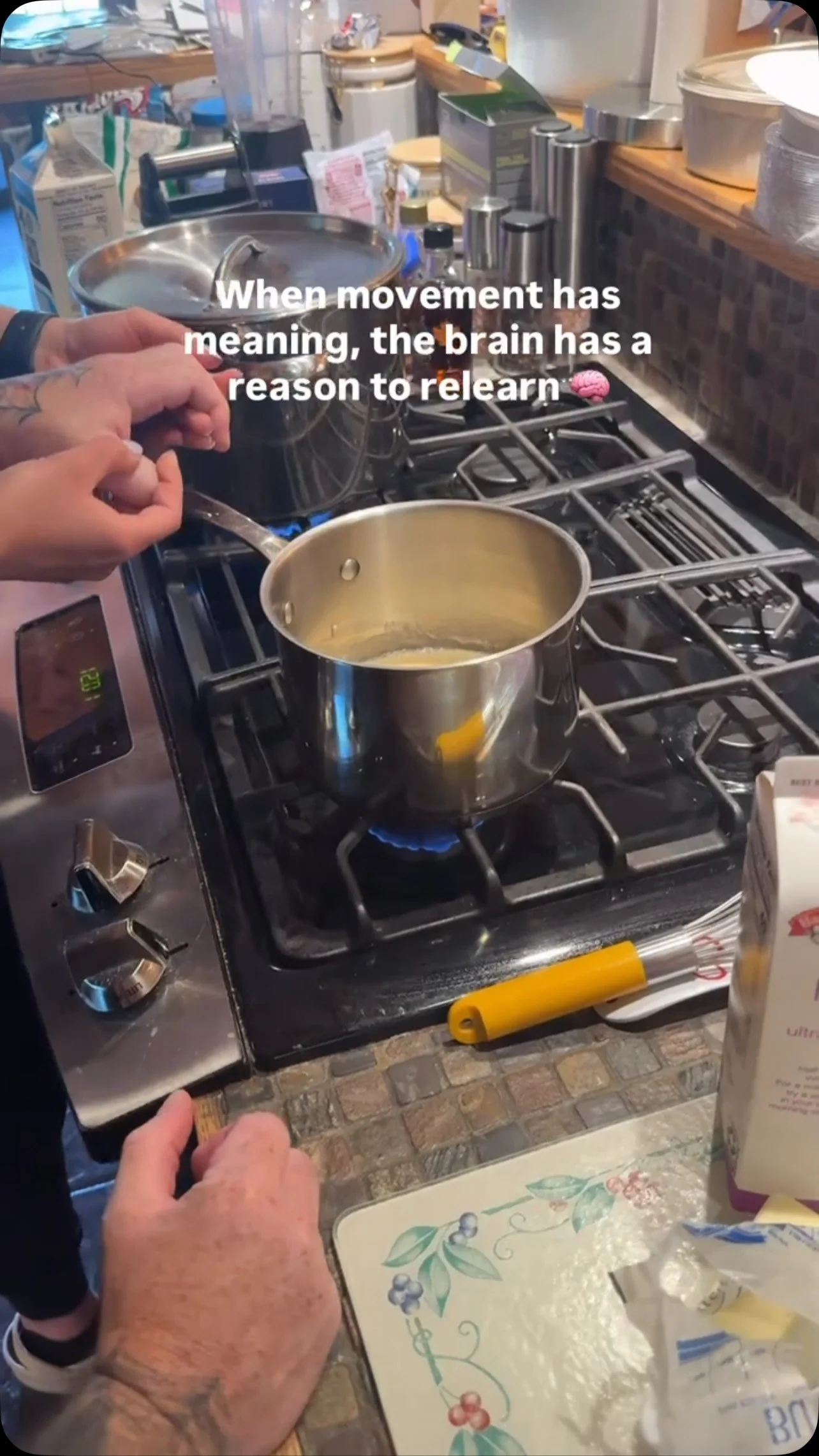
One of the defining characteristics of occupational therapy is that interventions are rooted in real-world function. Occupational therapists evaluate how physical, cognitive, sensory, emotional, and environmental factors affect daily participation. Importantly, occupational therapy services also acknowledge the emotional impact of losing independence or confidence. Functional challenges affect far more than physical ability alone. They effect routines, identity, relationships, and participation in community life.
Progress in healing is deeply misunderstood because we expect it to behave like everything else in our lives. We’re taught that if we put in effort, we should see results that are clear, measurable, and relatively quick. So when you’re doing the work and showing up, and you don’t feel dramatically different, it creates a quiet but persistent frustration.
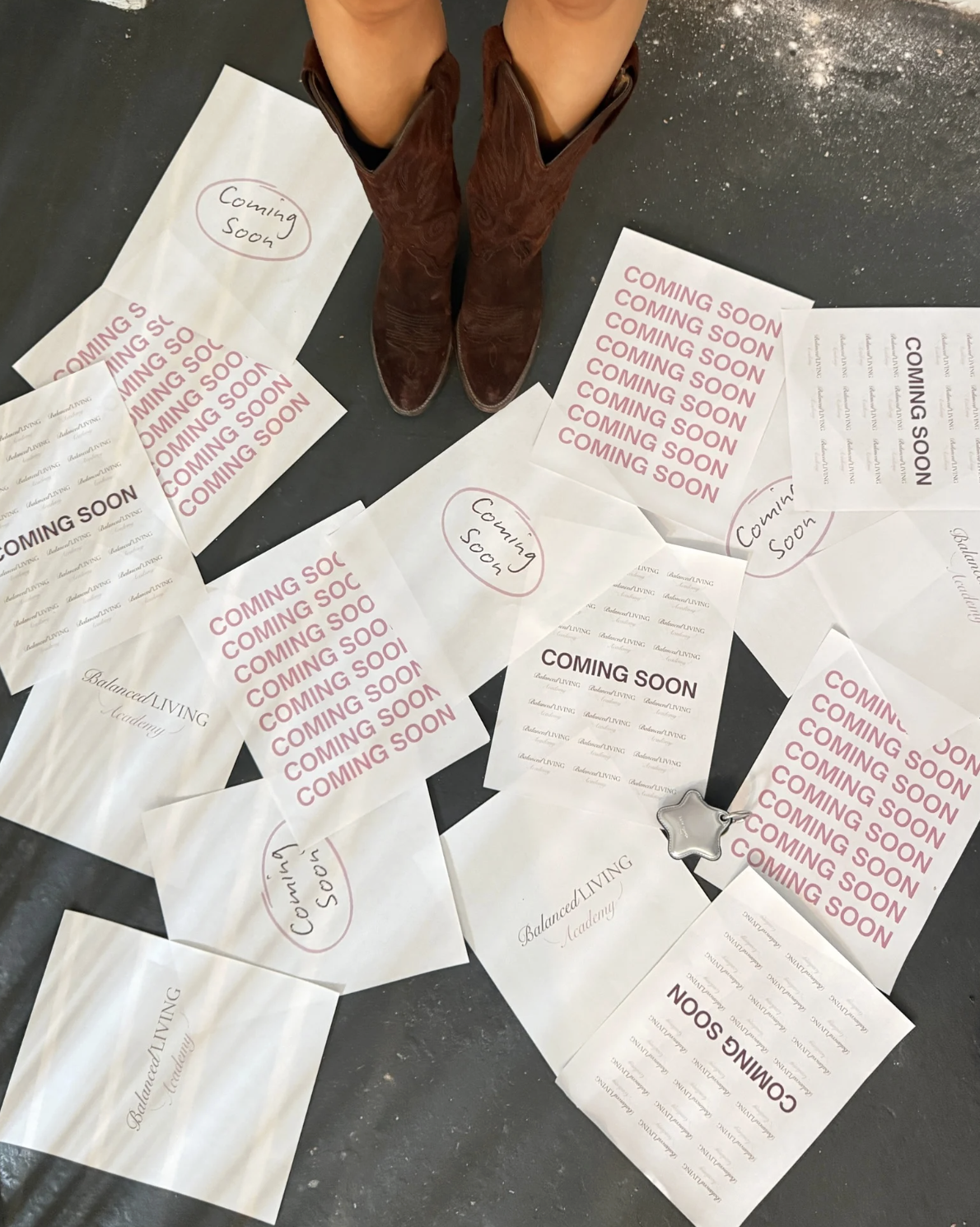
BLA was built on years of experience, detailed daily notes on my journey through school, my experience with working in the traditional healthcare system and building my own private practice. I built Balanced Living Academy through the lens of an occupational therapist, looking at the whole person, not just the goal. Your habits, your environment, your goals, your capacity, your season of life, all of it matters.
There is a common misconception in healthcare that insurance automatically equals access and that anything outside of it is a limitation. But in many cases, especially in highly individualized services like occupational therapy, the opposite can be true.
When people think about recovery whether it’s from injury, illness, burnout, or a major life transition, they tend to focus on what feels most tangible: the diagnosis, the treatment plan, the clinician, the exercises, the timeline. These elements matter, of course, and they often form the foundation of care.
We were built on a simple, but often overlooked truth: people do not thrive in isolation. Before BL was a business, it was a realization. In traditional healthcare settings, I saw how often care was delivered in fragments, often sessions that ended, plans that only lived on paper, and souls with their families left to navigate the rest on their own. Even with the best clinical intentions, something was missing.
If you want to know the real reason why so many people fall through the tracks after discharge, here it is. Leaving the hospital is supposed to be the moment things start getting better. The medical crisis passed. The surgery is finished. It is human nature to think, “Okay we’re home, now recovery begins.”
This is the truth. The day someone comes from the hospital is often filled with relief. The crisis has passed, the long-hospital stay is over, and families are grateful to finally return to the comfort of home. Many people assume that once someone is discharged, recovery will naturally fall into place. But what I see often in my work as an occupational therapist is that the real challenge begins the day after discharge.
Insurance is designed to respond to conditions that can be named, coded, and justified on paper. Burnout rarely fits that mold. The exhaustion of caregiving, the emotional weight of constant responsibility, and the mental strain of always planning the next step are not considered billable services. Yet burnout affects health, decision-making, patience, and safety. Life continues to charge for this invisible load through missed work, declining well-being, and strained relationships, even when insurance does not acknowledge it.
When dizziness shows up, the instinct is almost universal: sit down, lie still, and wait it out. It feels protective, like putting your nervous system in a cozy blanket and hoping the sensation fades. But here’s the twist most people don’t hear early enough: for many vestibular conditions, too much rest can actually prolong dizziness. From an OT and vestibular rehab perspective, the goal isn’t pushing through symptoms, it is strategic, supported movement.
Winter sure does have a way of changing how our bodies move. Cold mornings bring stiff joints and darker evenings affect mood and balance. From an OT perspective, winter safety isn’t about fear but supporting the confidence you need to participate in meaningful daily routines. Here are seven evidence-informed, OT-approved home updates that make a meaningful difference during the winter months.
If you’ve ever felt dizzy, lightheaded, or off-balance while texting or scrolling on your phone, you’re not imagining it. This is a very common experience, and one that makes sense when you understand how the nervous system processes vision, posture, and movement together. From a vestibular and OT perspective, texting creates a perfect storm for dizziness by overloading systems that are meant to work in balance.
You finally sit down at the end of a long day, and instead of feeling calm, your body feels wired. Your mind is racing, your shoulders are right, you’re exhausted, and somehow can’t relax. This experience is incredibly common, and it isn’t a lack of willpower or poor stress management. It’s your nervous system doing exactly what it was designed to do, just not turning off when you want to.
When families first hear the phrase private-pay occupational therapy, it often triggers hesitation. Paying out of pocket can feel intimidating, especially when insurance-based care seems like the “safer” financial choice. But after going through the process, many families reflect back and say something unexpected;
In healthcare, medical necessity determines what insurance will pay for. In real life, need determines whether someone can function, feel safe, and live with dignity. These two ideas are often treated as interchangeable but they are not the same. And the gap between them is where many families struggle. Let’s talk about this.
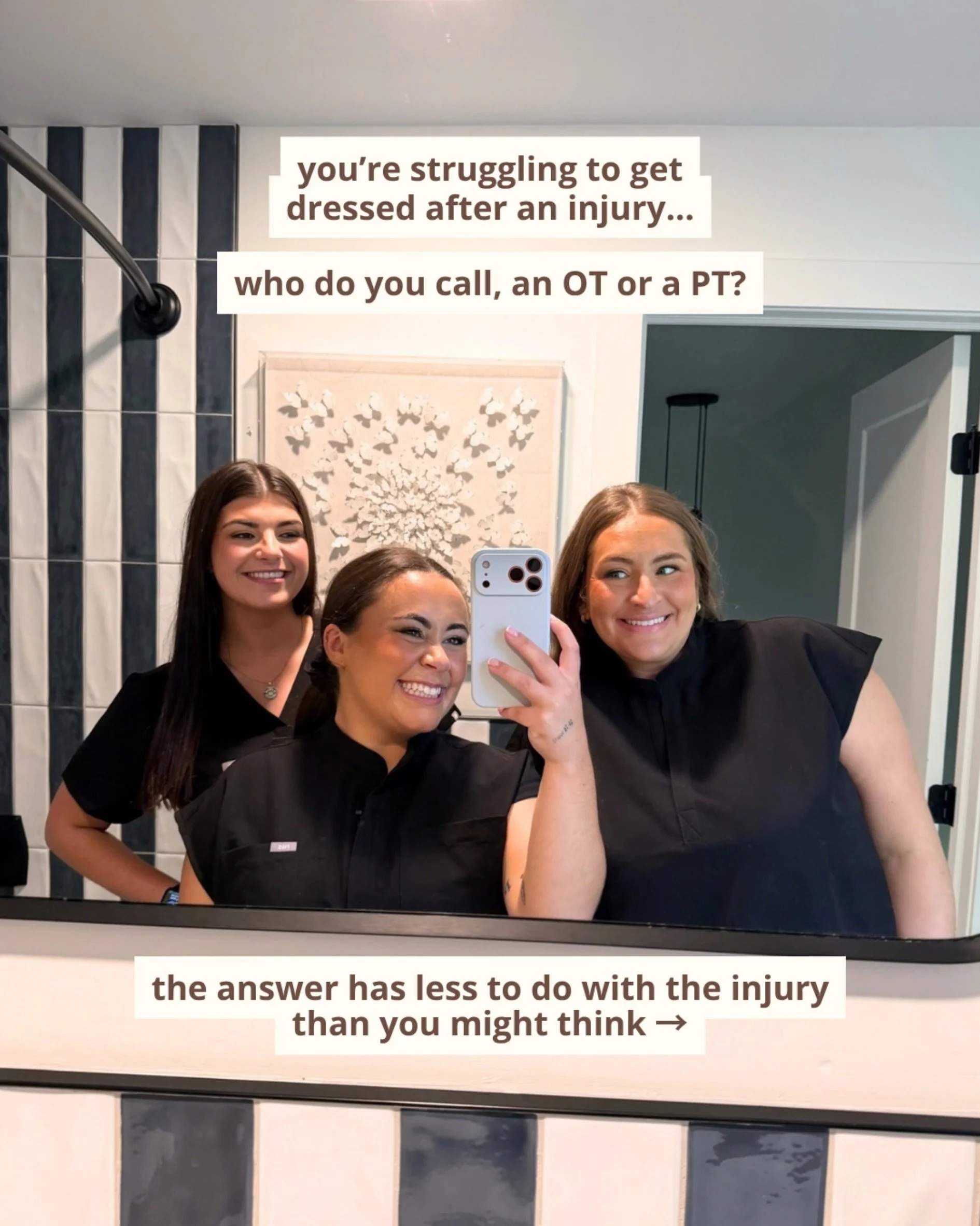
Physical therapy (PT) and occupational therapy (OT) often work side by side, but they serve different purposes. PT focuses on strength, range of motion, balance, and endurance. OT focuses on how those physical skills translate into daily life. You can regain strength and mobility in PT and still struggle with everyday tasks like showering, cooking, working, or moving safely through your home.
Many families delay care because they believe they’re making a responsible choice. They wait for insurance approvals, hope symptoms will resolve on their own, or assume certain challenges are just part of aging, recovery, or a busy season of life. At first, waiting can feel safer and more cost-effective. Over time, however, families often discover that waiting carries hidden costs that aren’t immediately obvious.
Entryways become congested with boots and coats, floors stay wet longer, lighting is used more frequently, and transitions in and out of the home become more demanding. From a clinical perspective, these seasonal changes place higher demands on balance, strength, and attention, making winter the most honest time to assess how well a home supports daily function.
The holidays can feel like someone pressed the “extra” button on life, whether it’s plans or more pressure. But wellness doesn’t have to mean adding more to your plate. Sometimes the most powerful routines aren’t the one that slip quietly into the day without costing a dime.
When I was younger and the holidays came around, there wasn't a space in my heart that saw how heavy these seasons can be. The older I get, the more I learned that the holidays aren’t just about celebration. They’re about memory. They are beautiful and heavy all at once.
When people think about recovery, instantly, they often think about finally getting the green light from a surgeon, walking again, or even being able to go home. But the truth? They are highlight moments. The real work and the real healing happens in the quiet spaces no one prepares you for. And that’s the most overlooked part of recovery: the transition.
For months, I’ve been creating something unlike anything else, a fully ADA-accessible, customizable, human-centered system that blends occupational therapy, wellness, and healing into one cohesive experience. Resilient is something that fills the space where clients or families feel lost, that uncomfortable gap between hospital and home, between new diagnoses and daily routines, between “we don’t know what to do.” Resilient exists to bridge the gap. It is fully ADA accessible. Fully customizable. And fully designed to support healing in all the places where traditional care leaves people on their own.
Instead of resolutions that feel like homework, these questions help you pause and choose what you want next year to actually feel like. Curl yourself up in a blanket, your favorite candle, some coffee or tea, and answer these slowly. This is your check-in with yourself.
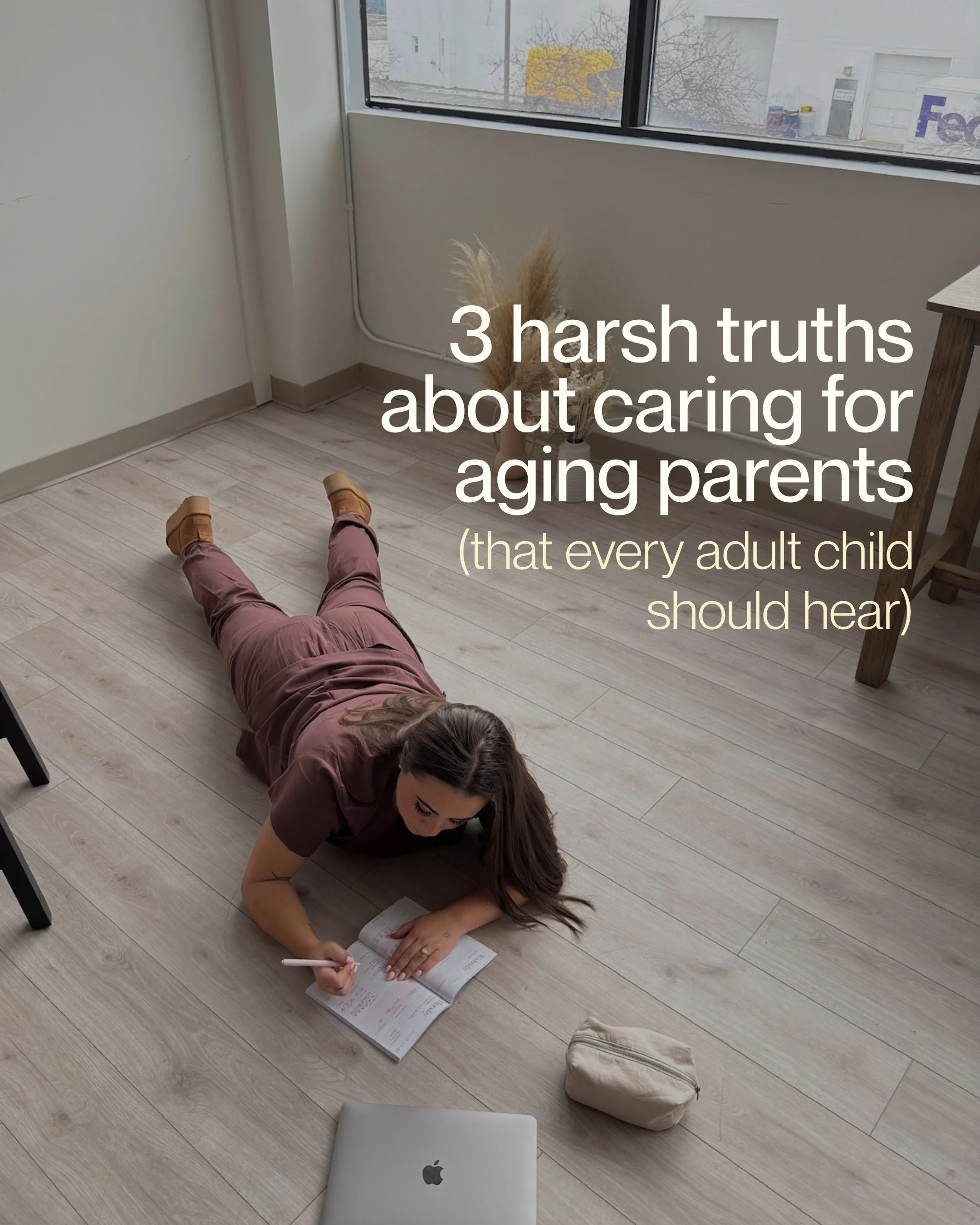
Caring for someone and spending time with someone are some of the most meaningful things you can ever do. But let’s be real, sometimes it can feel like you’re trying to pour from a teacup that keeps tipping over. I always remind caregivers…your own wellness matters just as much as theirs. You cannot fully care for someone if your cup isn’t full.


There’s a fundamental truth to be discussed: You can be functioning, productive, and even outwardly “doing well,” while your body is still operating as if it’s under threat. And when that’s the case, healing will always feel limited, no matter how much effort you put in. Because survival mode is not something you think your way out of. It’s something your body has to feel its way out of.