5 Simple Home Modifications That Can Prevent Falls
F A L L, the four-letter F word that we truly despise as occupational therapist. Falls rarely happen for just one reason; there is usually a combination of factors. Falls can occur from muscle weakness, balance deficits, medication side effects, vision impairments, and what can most commonly avoidable, environmental hazards.
According to the Centers for Disease Control and Prevention, about one out of four older adults falls each year and one out of 10 falls results in an injury that causes the older adult to restrict their activities for a day or more or to seek attention from the healthcare system.
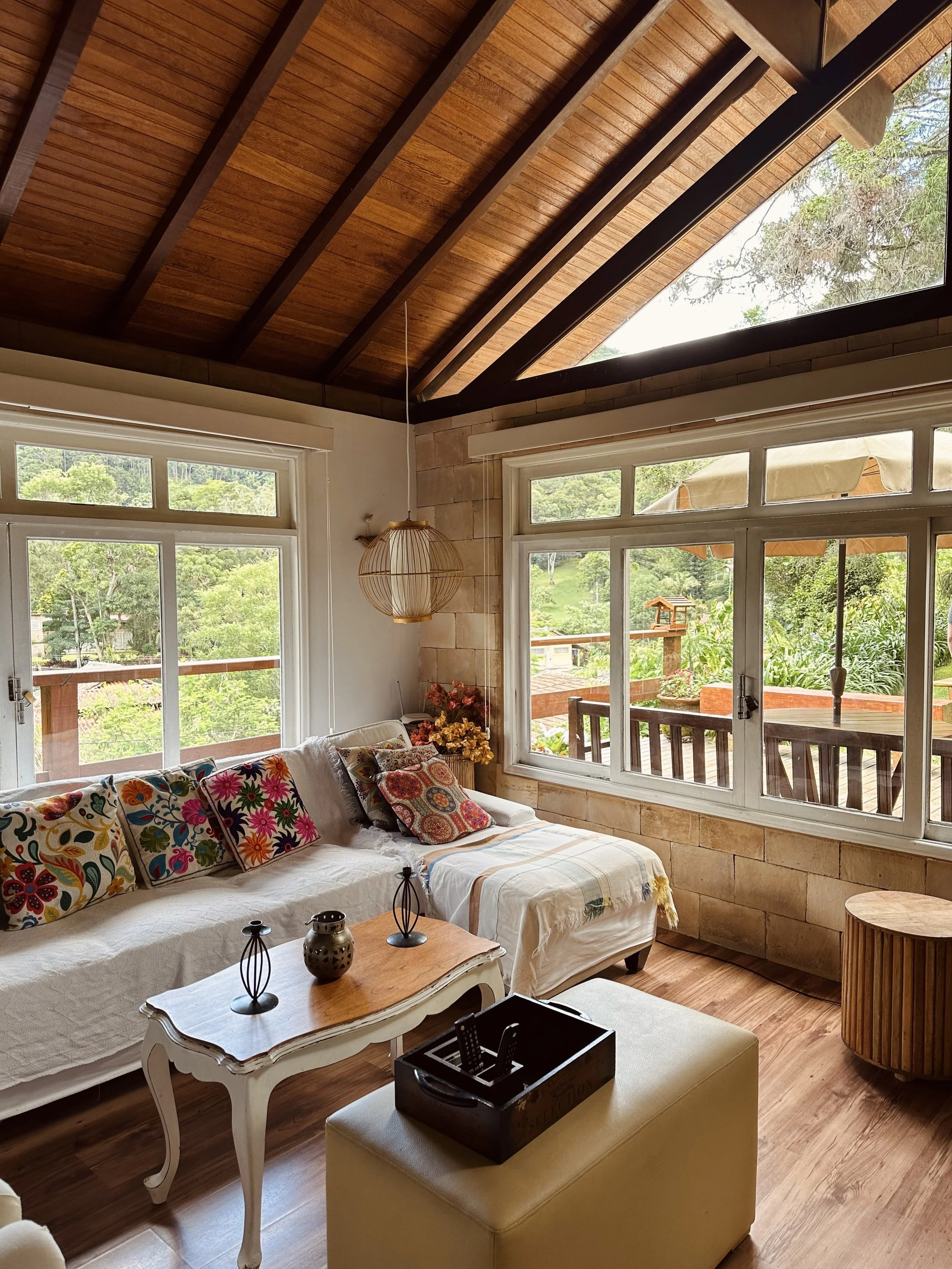
Falls are on the rise; however they are preventable but only you can take the steps needed to reduce your risk. Here are 5 simple home modifications that can prevent falls:
Improve lighting – Make sure all areas of your home are well lit during the day and most especially at nighttime. If you cannot see where you are walking, then how are you supposed to prevent a fall! Poor lighting can make it difficult to see obstacles, changes in flooring, stairs, or other potential hazards, increasing the risk of trips and falls.
Remove clutter – When clutter is left on the floor or in commonly used walkways, a person may trip, lose their balance, or have difficulty safely maneuvering around the obstacle. Items such as shoes, clothing, bags, toys, electrical cords, and small pieces of furniture can create unexpected obstacles, especially for individuals who have difficulty with balance, mobility, vision, or coordination. This risk can be even greater when getting up during the night or when carrying something that limits their ability to see the floor.
Install grab bars - Installing grab bars in key areas of the home can provide additional stability and support during everyday activities, helping to reduce the risk of falls. Bathrooms are especially important, as wet floors and surfaces can make transfers and mobility more challenging. Grab bars can provide a secure handhold when getting in and out of the shower or tub, standing from the toilet, or navigating other areas where extra balance support is needed. They can also increase confidence and promote greater independence with daily activities. For the greatest benefit, grab bars should be properly positioned and securely installed into an appropriate structural surface.
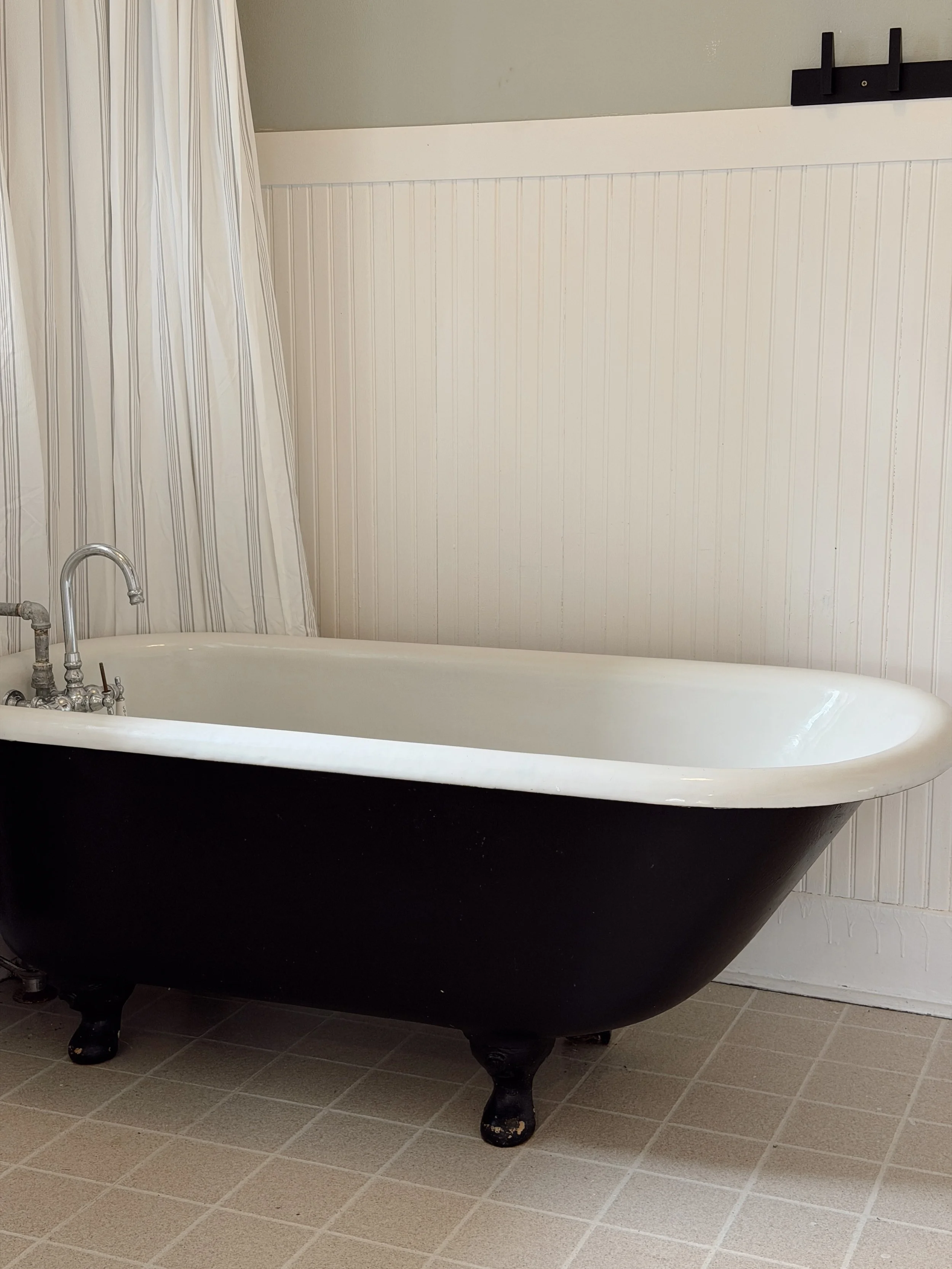
Did you know Balanced Living can assist with the installation and appropriate placement of grab bars?
Accessible seating - Positioning chairs along frequently used pathways to provide opportunities for seated rest as needed. Seating should be stable, easy to access, and positioned where it does not obstruct walking pathways. Taking a short rest when feeling tired or unsteady can help prevent someone from continuing to walk when their balance or endurance is compromised. A well-placed chair can provide both safety and peace of mind while supporting independence at home.
Implement bathroom safety equipment - Adding equipment such as a shower chair and raised toilet seat can make bathroom activities safer and reduce fall risk. A shower chair provides a stable place to sit while bathing, reducing the need to stand on a wet or slippery surface. A raised toilet seat can make getting on and off the toilet easier by reducing the amount of effort needed to lower down and stand back up. Not only do they promote safety and reduce risk of falls, but they also allow for energy conservation so that you can use your energy to do other daily tasks you may find more enjoyable.
A home safety assessment could be indicated to assess simple home modifications to reduce the risk of falls within the home. Balanced Living can help determine what home modifications can be completed to reduce the risk of falls and promote independence through a customized therapy plan tailored to each of our client's needs.