The Goal isn’t Always Independence
As an occupational therapist, it’s no secret that our job does involve helping individuals become as independent as possible. Whether we are seeing a child in a school, adult at someone, or someone living in a nursing home, we see many individuals who ultimately want to become more independent in their day-to-day life. This can include:
Getting dressed
Showering
Cooking
Regulating one’s sensory system during the school day
Using adaptive equipment to write
Going to the bathroom
Childcare
What about the other individuals that don’t fit into this category? The individuals you know will never be independent. It sounds harsh, but it is reality. This may include someone who has 24/7 care at home to assist with all ADLs, or the child at school who no matter what interventions we try is unable to independently regulate themselves after a difficult day. This may be someone who sustained a very traumatic injury, and we know that unfortunately they will never be independent again. Independence does not always have to be the goal. As OT’s, we have such a broad spectrum of skills that can assist individuals and their family/caregivers without the goal of being independence.
To be honest, I think I still struggle with this idea. I want my clients to get better. I want everyone to be as independent as possible. Sometimes, I have to take a step back though. Not everyone’s goals are going to align with my own. That’s why developing a thorough client profile and talking with the client and family about what they want their goals to be is extremely important. Have you ever worked for 2 weeks on making someone independent with toileting just to later find out their spouse always helps them, and they have no goals to be independent? I sure have. I’ve learned from my mistakes. Despite my confidence that this individual could become independence with toileting, she had absolutely no motivation and her spouse was happy to assist. Just because most people I’ve worked with are motivated to become more independent with toileting does not mean that is everyone’s goal.
This is where our creativity and skills can come into play. Aside from “independence,” we can work toward other goals:
Maintenance
Range of motion
Contracture management
Caregiver education
Proper body mechanics
Safe transfer training
Establish routines
Incorporate exercises programs or sensory programs
Maintain quality of life
Assist someone outside to bird watch
Continuing hobbies
Participation in the community
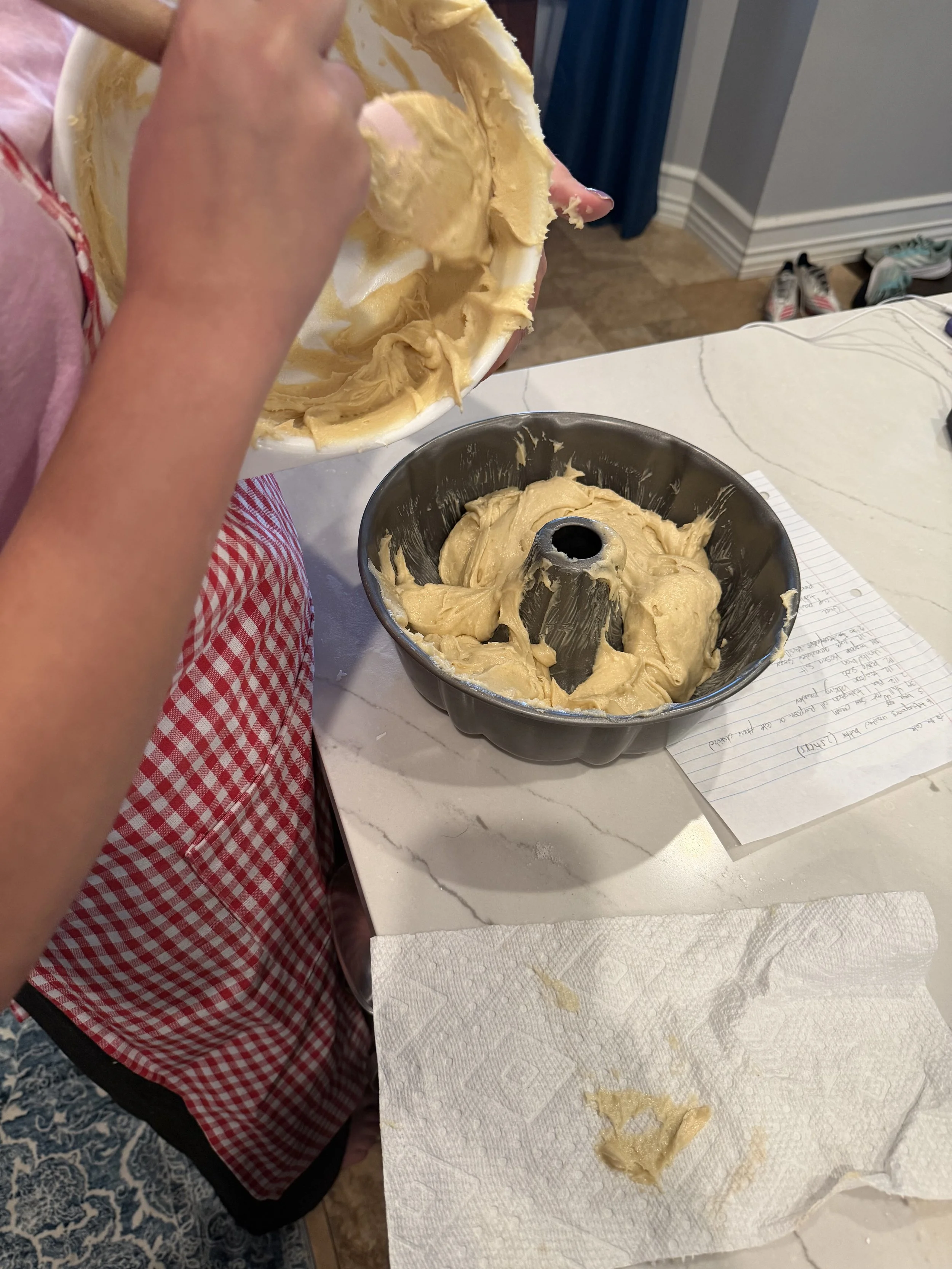
How about someone who hasn’t been outside in months? We can safely position them in a wheelchair, bring them outside, allow them to feel the sunshine on their skin, and a breeze in their hair. In my personal experience, I have even used two therapists to “bump” a client in their wheelchair down two steps to get them outside. The little things in life matter the most.
I’m so thankful to be working in a career in which our clients drive our plan of care. Working for a private practice has also made this very easy. I think it’s really easy for us OT’s to become stuck in a pattern of working on what we think is most important. ADLs are the core foundation for occupational therapy, but there are so many other activities people find important. For a lot of us, we become stuck on the work “independent.” Let’s not forget, occupational therapy is client-centered. If we are not working towards goals our clients want to work on, then what’s the point? I even have to remind myself sometimes, not everyone is going to be independent, and that’s okay. But how can we continue to make someone’s life meaningful.