When dizziness shows up, the instinct is almost universal: sit down, lie still, and wait it out. It feels protective, like putting your nervous system in a cozy blanket and hoping the sensation fades. But here’s the twist most people don’t hear early enough: for many vestibular conditions, too much rest can actually prolong dizziness. From an OT and vestibular rehab perspective, the goal isn’t pushing through symptoms, it is strategic, supported movement.

Why Rest Feels Right (But Isn’t Always Helpful)
Dizziness is scary. Your brain reads it as a threat. so it asks for stillness. The problem? Your vestibular system (the system that helps you balance, orient to space, and feel steady) learns through movement. When movement stops for too long, the brain doesn't get the input it needs to recalibrate.
Instead of resetting, the system can become more sensitive, not less.

What Happens When You Avoid Movement
When activity is limited for days or weeks,
The brain becomes less efficient at processing motion
Visual dependence increases (screens, scrolling, busy environments worsen symptoms)
Balance confidence drops
Fatigue increases become everyday
Fear of movement quietly grows
This creates a cycle where dizziness leads to rest, rest leads to deconditioning, and deconditioning fuels more dizziness.
Movement Doesn’t Mean “Push Through It”
This is where people get nervous (and rightfully so). Vestibular rehab is not about forcing yourself to feel awful. It’s about graded exposure:
Short bouts of intentional movement
Activities that challenge the system just enough
Frequent breaks
Consistency over intensity
Think of it like breaking in stiff winter boots. You don’t wear them for eight hours straight on day one, you take small, intentional steps so they soften over time.
Everyday Examples of Helpful Movement
Depending on the person and diagnosis this might include:
Gentle head turns while seated
Standing balance near a counter
Walking short distances indoors
Purposeful visual movement (not doom scrolling)
Functional tasks like unloading the dishwasher or folding laundry
These activities help retrain the brain to say, “Oh we’re safe doing this.”
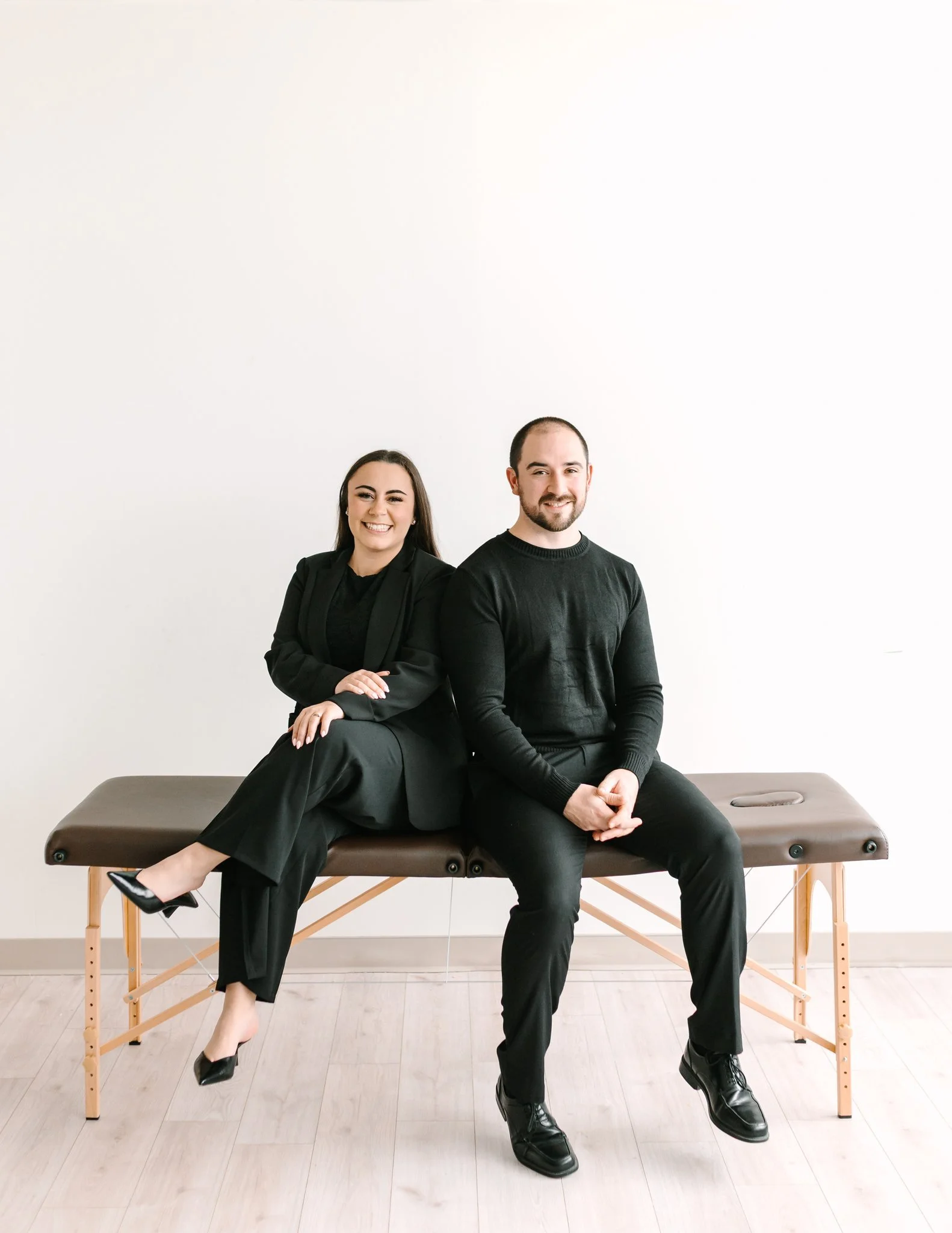
Why OT Looks at Dizziness Differently
OT doesn’t just ask whether someone feels dizzy. We look deeper at when the dizziness shows up, which daily tasks trigger it, how it affects confidence, routines, and independence, and which environments tend to make symptoms worse. This is because dizziness isn’t just a symptom, it’s something that quietly reshapes how people move through their daily lives, often leading to avoidance, fatigue, and loss of confidence over time.
While rest can feel comforting when dizziness hits, too much rest can actually keep the nervous system stuck. The goal isn’t to avoid symptoms forever, but to help the brain relearn that movement is safe. With the right guidance, pacing, and support, intentional movement becomes part of the solution rather than the problem. When dizziness starts to interfere with daily life, working with a vestibular-trained therapist can provide clarity, restore confidence, and create a plan that truly fits real life.