The Hospital-to-Home Gap
If you want to know the real reason why so many people fall through the tracks after discharge, here it is. Leaving the hospital is supposed to be the moment things start getting better. The medical crisis passed. The surgery is finished. It is human nature to think,
“Okay we’re home, now recovery begins.”
This period (the transition from hospital to home) is where most families and clients struggle. Medications are confusing, fatigue is overwhelming, routines are completely disrupted, and everyday tasks seem impossible. It is one of the biggest blind spots in our healthcare system.

What is the Hospital-to-Home Gap?
This gap refers to the vulnerable transition period when someone leaves the hospital but has not yet fully regained the ability to function safely and independently in their daily life. Medical treatment may be complete, but life tasks are not restored. Things like:
showering safely
preparing meals
managing medications
navigating stairs
remembering appointments
driving or getting to follow-ups
managing fatigue and energy levels
Why People struggle After Discharge
Physical Limitations
Weakness, dizziness, balance issues, or pain can make simple activities like standing in the shower or climbing the stairs unsafe
Cognitive Changes
Illness, medication changes, or hospitalization itself can affect memory, attention, and problem-solving
Patients often struggle with remembering medications, organizing daily routines, or managing complex instructions
Environmental Barriers
Homes are rarely designed for recovery. Narrow hallways are hard to navigate, bathrooms are slippery, there are loose rugs everywhere, lighting, and stairs can quickly become hazards.
Fatigue and Energy Depletion
After illness or hospitalization energy levels drop dramatically.
Tasks that once took minutes may now take significant effort and planning.

The Hidden Consequences
When the transition is poorly supported, the results can be serious. Common outcomes include:
Falls
Medication errors
Emergency room visits
Readmissions to the hospital
Loss of independence
Caregiver burnout
Many of these situations are preventable when the right support is in place.
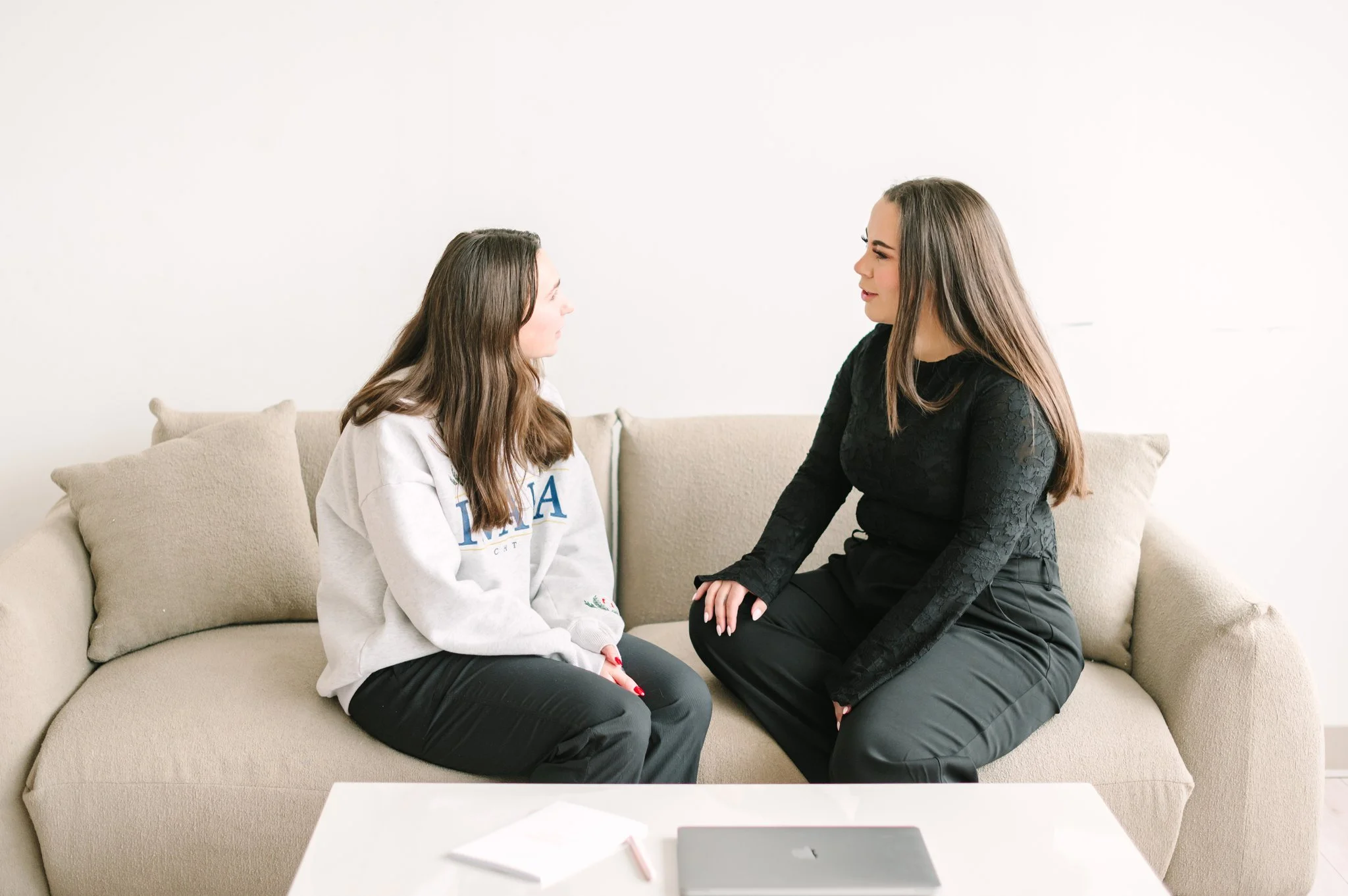
This is where occupational therapy comes in.
Occupational therapy focuses on something many healthcare systems overlook.
How people actually live their lives.
Instead of focusing only on the medical condition, occupational therapists evaluate how health changes affect a person’s ability to function in real environments. That includes:
daily routines
home setup
safety risks
cognition
mobility
independence
An occupational therapy evaluation at home allows us to see what truly happens when someone returns to their every day environment.

The Goal: Rebuilding Daily Life
Recovery is not about healing medically. It is about restoring the ability to live life again. Occupational therapy focuses on helping individuals:
regain independence
adapt environments for safety
develop sustainable routines
build strength and confidence
prevent future complications
The goal is not simple discharge from therapy. The goal is a life that feels manageable again.
When the Hospital Doors Close, Recovery Still Continues
The transition from hospital to home can feel overwhelming. Medical teams step away, routines change, and many families are left wondering what to do next. Recovery requires more than medical care. It requires structure, guidance, and resilience in everyday life.
This is exactly why I created Resilient.
Resilient is a daily health and wellness tracker designed through the lens of occupational therapy to help individuals organize their routines, monitor symptoms, and rebuild healthy patterns during recovery. It was built for the space where many people feel lost, the gap between hospital care and everyday life.
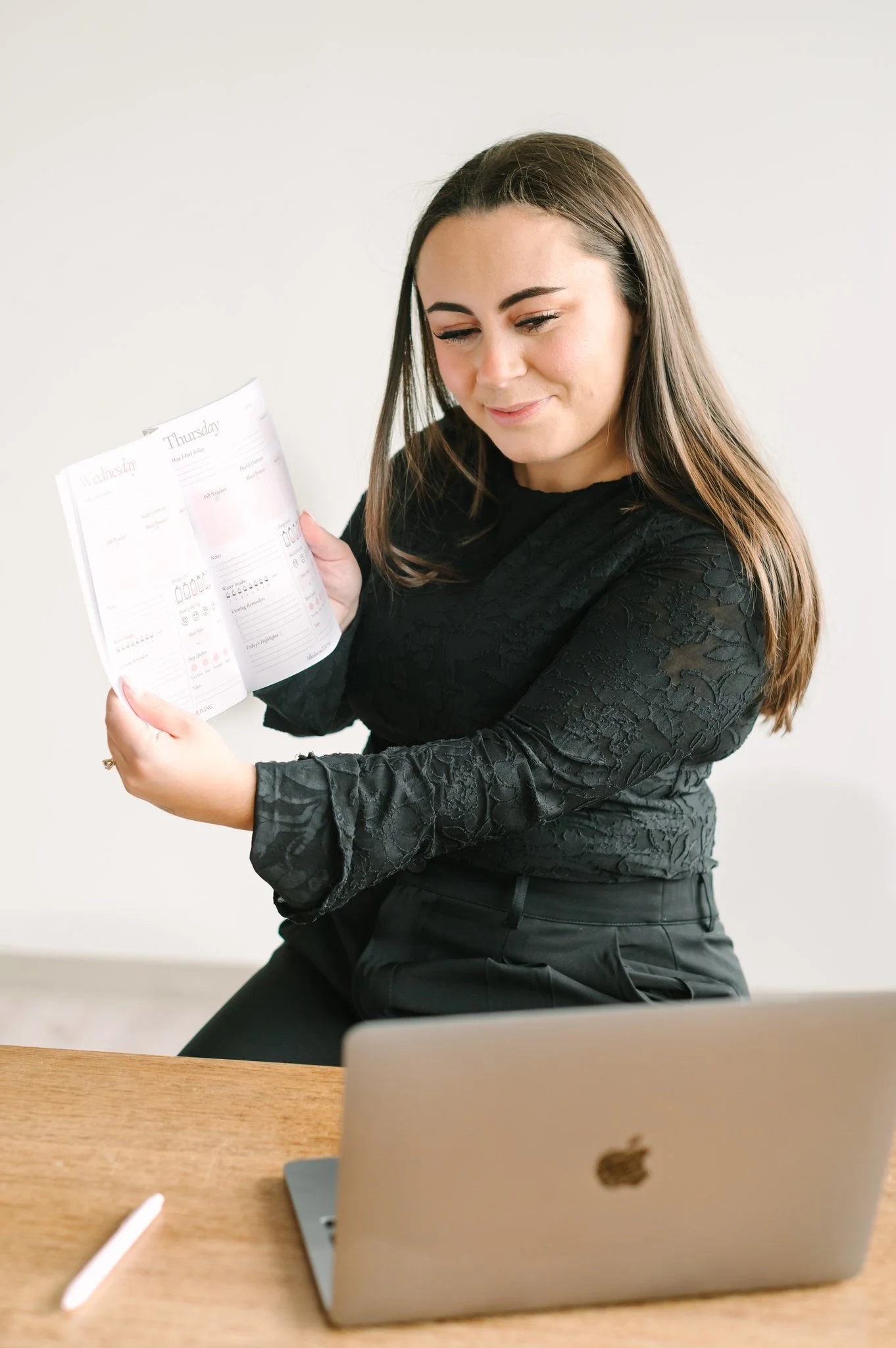
If you or a loved one are navigating recovery, Resilient can help guide the process one day at a time.