Why Home is the Best Place for Occupational Therapy: My Experience
Home therapy was always a little intimidating to me. I feel comfort in having big therapy gym, all the equipment needed with the ability to easily order new equipment, and most importantly, having coworkers or other staff members readily available if needed.
What happens if there is a medical emergency at someone’s home I’m the only one there? What if they don’t have a walker to use? What if there isn’t a quiet space to practice handwriting with my pediatric client? Well.. These situations can and DO happen! And guess what? I know exactly how to handle them.
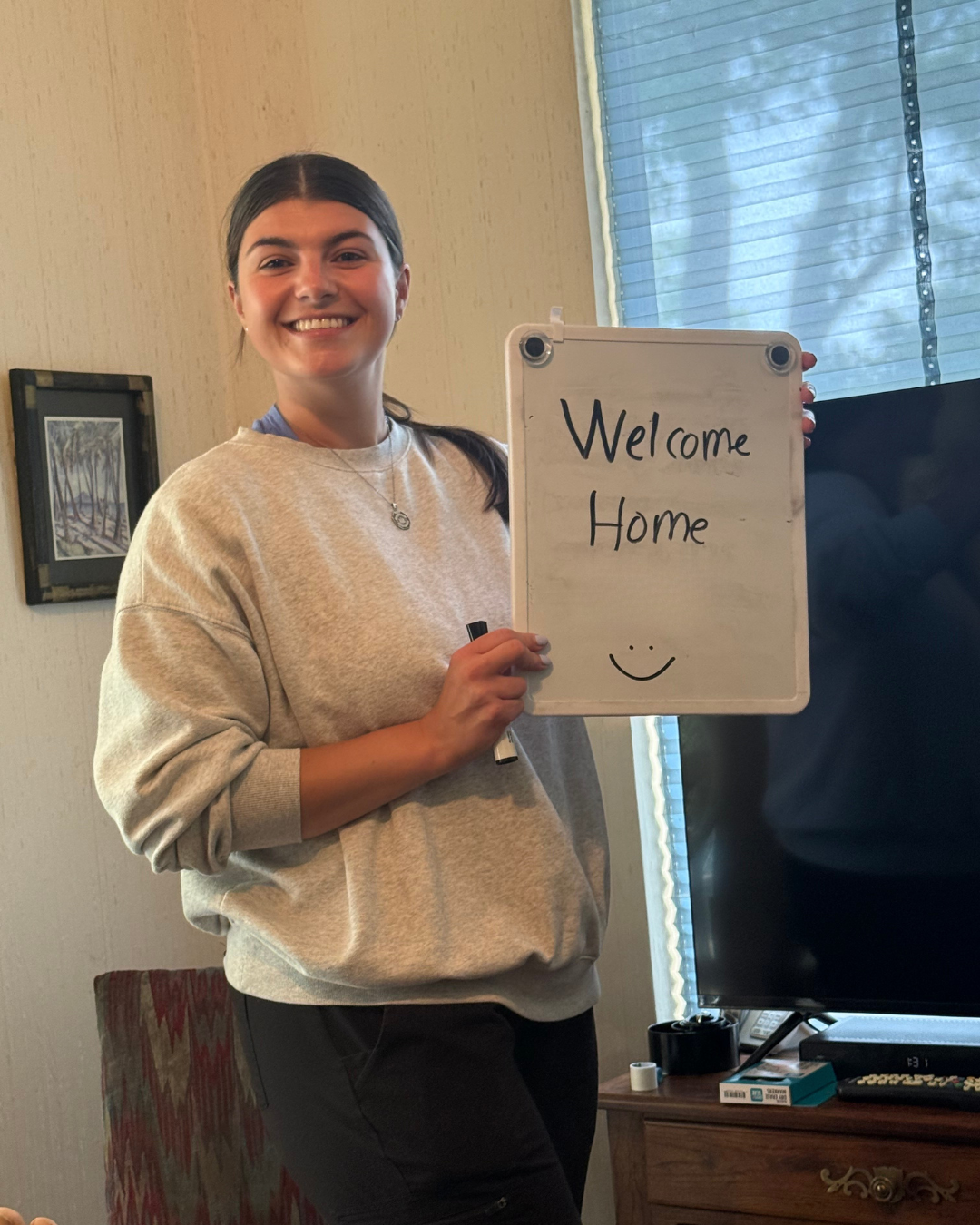
So, here I am, a Home Health clinician, confident in handling any situation this job throws at me, and excelling on treating in homes. Here’s why:
Healing is more successful in a familiar environment
It makes a lot of sense. We spend more of our time in the comfort of our homes. Why wouldn’t we be focusing on rehabilitating there? Of course, there may be some barriers to this happening. If someone needs 24/7 care at home but can’t afford it, or an at home set up that isn’t safe for the current condition, etc. But this is also where we can use our expertise and help guide our clients and families into rehabilitating in the least restrictive environment with the resources available to them.
Creativity
Creativity is key when working in someone’s home! I love identifying problems that could impact safety in our client’s homes, making home modification recommendations, and using whatever equipment or tools around the house to practice skills that matter most. Ever use a babies play mat to practice fall recovery with your adult client? I have.
Change of scenery
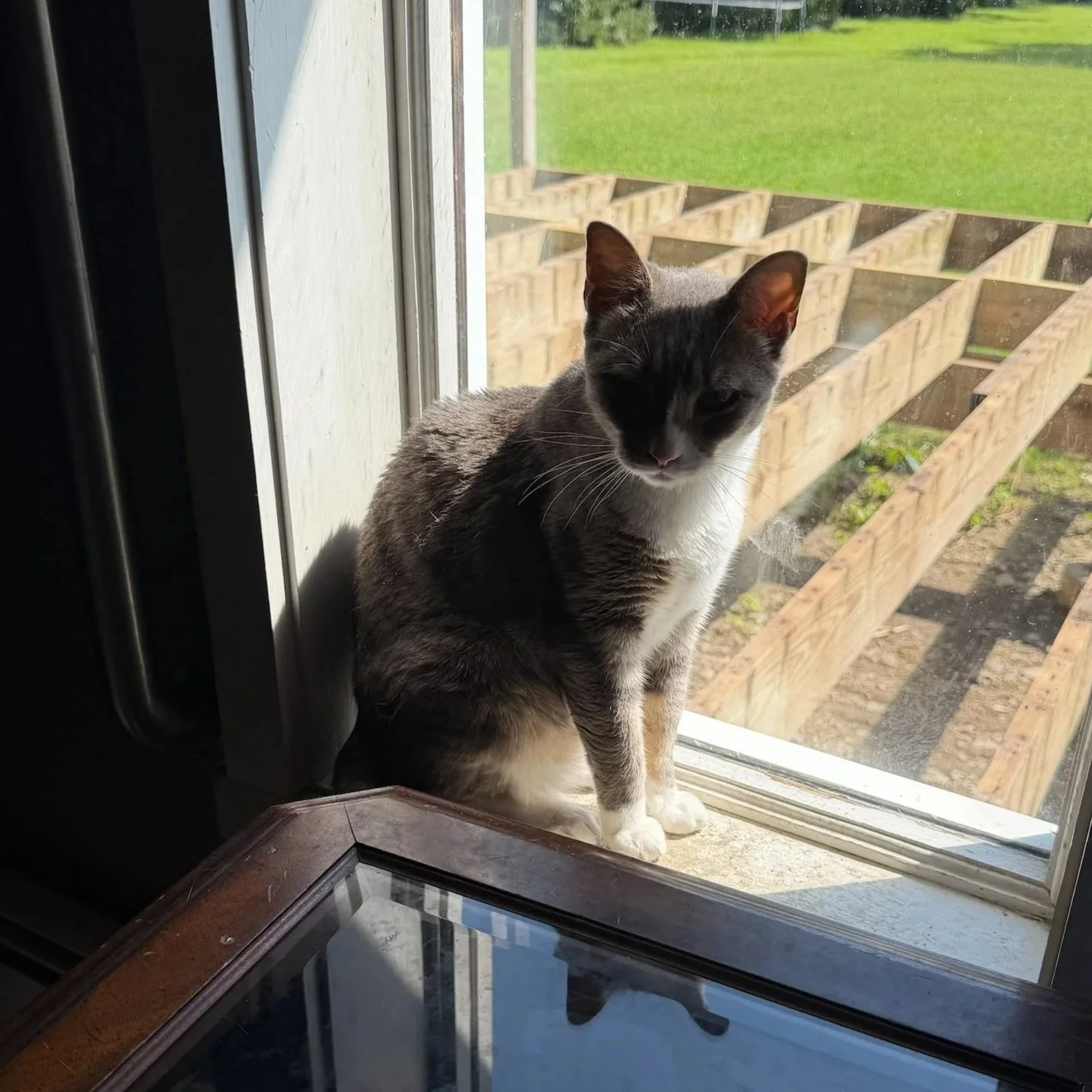
I LOVE that I am not in one single building all day! And I love spending time with your pets.
Building strong relationships with clients and caregivers
Working in client’s homes is truly an intimate experience. This is their personal space, a space that means the most to them; and they are allowing us into their home to help guide them through recovery. I promise, I do not care if you think your house is “a mess.” Your home is perfect and I am just grateful to be there working with you. Don’t worry, one of our sessions can be working on cleaning!
Overall, working in someone’s home allows us to problem solve and work through the little challenges we might not see if we are working with someone in a skilled nursing facility, hospital, or outpatient clinic. In these settings sometimes we can’t simulate exactly what a person does at home: maybe someone has a small lip into the shower, inability to put grab bars next to toilet, minimal space to self-propel a wheelchair next to bed, or excess clutter that can be a fall risk during functional mobility. This is why home therapy is so important. We practice in the exact environment someone is in every single day.
Despite my initial fears and reservations, transitioning to home health therapy has been an eye-opening and incredibly rewarding experience. It has become my preferred practice setting, allowing me to build meaningful relationships with clients while helping them achieve independence in the comfort of their own homes. So, if you’re a clinician thinking about making the switch, here is your sign to do it. And if you’re someone debating on welcoming therapy into your home.. I encourage you to do it!